
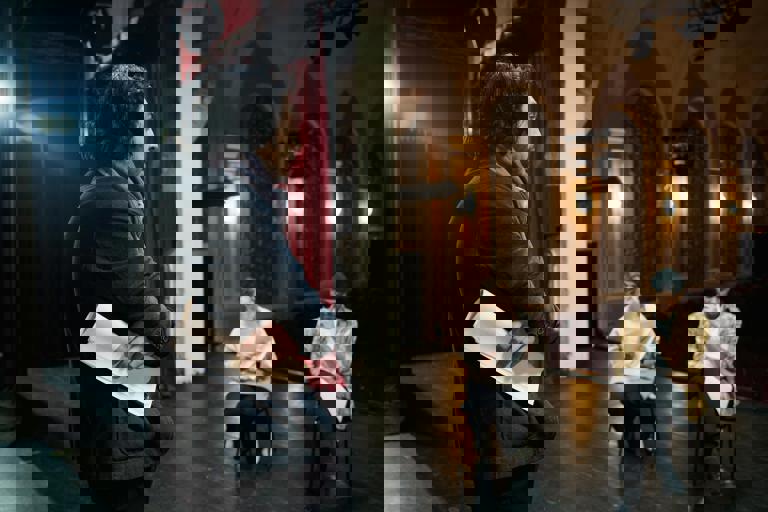
A rarely performed opera, long consigned to the annals of music history, has found its way back to the stage thanks to the visionary approach of an experimental theatre troupe. The group, known for pushing artistic boundaries, has reimagined the obscure work with an innovative blend of cutting-edge visual design and meticulously preserved vocal traditions, captivating both seasoned opera lovers and newcomers alike.
The opera in question, once celebrated in elite European circles before falling out of favour, has been resurrected through a meticulous process of research and collaboration. Artistic director Emilia Hodge commented, “We wanted to take something nearly forgotten and show audiences why it mattered then—and why it matters now." Her team spent months consulting musicologists and historians to ensure authenticity in the production.
Central to the revival is the striking visual reinterpretation that greets theatre-goers. The set employs multimedia projections and stark modernist architecture, creating a dynamic backdrop that interacts with the performers. Lighting designer Ravi Patel explained, “We’re not just updating the look; we’re asking audiences to see the opera’s themes in a new light.” The effect is a visually immersive experience, stimulating the senses at every turn.
Despite the contemporary visuals, the troupe has remained steadfastly faithful to the opera's original vocal scores and orchestration. Singers were carefully selected to meet the demanding requirements of the piece, with soprano Isobel Lin acting as a linchpin for the cast. “Singing these arias as intended, but within such a radical staging, challenges us as performers and excites us as artists,” Lin shared during a rehearsal break.
This careful balance between tradition and innovation has drawn positive attention from critics and academics. Dr. James Caldwell, a music historian at a leading university, remarked, “It’s rare to see such respect for original material alongside daring artistic choices.” Reviews have praised the performance for honouring the composer’s intentions while introducing visual elements that resonate with contemporary audiences.
Audiences have responded enthusiastically to the revived opera, which has sold out its initial run. Box office records from the theatre show a notable influx of younger patrons, with over 40% of ticket buyers under the age of 35. One attendee, Alex Morton, described the experience as "electrifying, completely unlike any opera I’ve seen before—yet beautifully rooted in its musical origins."
The opera’s themes, which deal with identity, power, and longing, seem more relevant now than ever. The troupe’s modern presentation has sparked conversations among theatre-goers and on social media about the opera’s place in today’s cultural landscape. Posts tagged with #ForgottenOperaRevived have generated thousands of impressions, reflecting a burgeoning interest in neglected works presented through fresh perspectives.
The staging has also encouraged dialogue about the value of experimental approaches in classical arts. Some traditionalists express reservations about the avant-garde visuals, but many agree that such efforts are vital to keeping opera alive and accessible. As one critic wrote, "If opera is to remain a living art form, we must be open to reinterpretation and contemporary dialogue around classic works."
Looking ahead, the troupe’s success with this forgotten opera could inspire other companies to explore the hidden corners of repertoire. Plans are already underway for a touring production and a possible digital release. By bridging historical fidelity with modern sensibilities, this experimental troupe has proven that forgotten masterpieces can find new life on today’s stage, offering hope for the continued evolution of the performing arts.